
PC 160 Broadway East Building,
Suite 1101, 11th Floor,
Financial District, New York, NY 10038

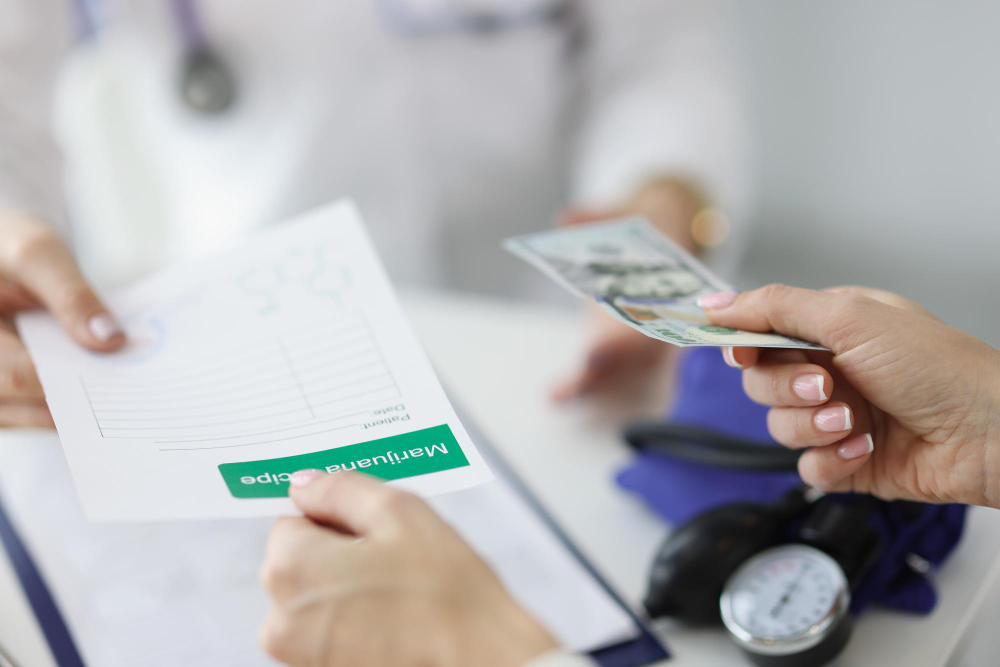
Applying for a green card comes with plenty of paperwork, appointments, and deadlines. Then there is the medical examination, which can raise a different set of questions. What will the doctor check? Do applicants need every vaccination record from childhood? What happens if a record is missing? And what should be done with Form I-693 once the examination is finished?
An immigration medical examination in New York is different from an ordinary doctor’s visit. It follows specific USCIS requirements, and a USCIS-designated civil surgeon must complete the paperwork. Knowing what to expect beforehand can make the process easier to manage.
A green card medical exam in New York is not the same as a routine physical. The examination documents whether an applicant meets the health-related requirements for certain immigration benefits. The results are recorded on Form I-693, Report of Immigration Medical Examination and Vaccination Record, which is submitted to USCIS when required. USCIS uses the examination to determine whether an applicant is inadmissible on applicable health-related grounds.
The examination covers the required parts of the immigration medical process rather than functioning like an ordinary annual checkup. These may include:
The exact requirements can vary depending on an applicant’s age, medical history, vaccination records, and other circumstances.
Many applicants feel more comfortable once they know what the appointment actually involves. The process generally begins with a review of information relevant to the immigration medical examination. Vaccination history is an important part of the process, followed by the physical examination and any required laboratory testing. USCIS requires applicants to attend the medical examination and any necessary follow-up examinations.
The main areas of the examination include:
The appointment is not about deciding whether an applicant is “healthy enough” in a general sense. The examination follows the specific health requirements that apply to immigration applicants.
Paperwork is easy to overlook when an immigration appointment is still a few days away. Gathering important records beforehand helps, especially vaccination and medical records that may be needed during the examination. USCIS also asks applicants to bring a valid government-issued photo ID to the initial appointment.
The documents can include:
Vaccination records can sometimes take a little effort to track down, particularly when they are from childhood or another country. Gathering them early can make the day of the appointment easier.
Depending on the medical office, you may also submit some paperwork before the visit. Sending those documents in advance gives the office time to look over the information before the applicant arrives.
This is a common concern among immigration medical exam applicants. Some people have complete records dating back years. Others may have moved between countries, changed doctors, or lost older vaccination documents. Missing records do not necessarily mean an appointment must be canceled.
Applicants should bring whatever records they can locate. A civil surgeon can review the available information and determine what is still required under the applicable guidelines. Depending on the circumstances, vaccination or other testing may be necessary when records are unavailable.
Looking for older records before the appointment can still be helpful. A childhood vaccination card, records from a former doctor’s office, or documents from another country may contain useful information.
Once the required examination, testing, and vaccination review are complete, the provider prepares Form I-693. USCIS requires the completed form to be given to the applicant in a sealed envelope. Do not open the envelope before submission.
USCIS states that it may return a Form I-693 if the sealed envelope has been opened or altered. Applicants should also receive a copy of the completed form for their own records. Keeping the personal copy in a safe place can be useful after the appointment, especially when other immigration paperwork is being handled at the same time.
A little preparation can make the visit easier. Before the appointment, applicants should take a few minutes to:
Applicants do not need to have every answer figured out before the appointment. If a vaccination record or another part of the process is unclear, bringing what you have lets the civil surgeon review the situation and explain what may still be required.
Green card applicants should plan for the medical exam along with the rest of their paperwork. Keep vaccination records on hand, along with a valid ID and any medical records relevant to the examination. A USCIS-designated civil surgeon must complete the exam, and Form I-693 is completed as part of that process.
At Green Card Medical NY, we provide immigration medical examinations in New York. The office handles the physical examination, vaccination review, laboratory testing, and Form I-693 preparation. We also help with vaccination records and the documents needed for the examination.
1.Is the Green Card Medical Exam in New York mandatory?
If USCIS requires an applicant to submit Form I-693 as part of the immigration process, the examination must be completed according to the applicable requirements and by a designated civil surgeon.
2. Can a regular doctor complete Form I-693?
Not unless the doctor is also a USCIS-designated civil surgeon. The immigration medical examination in New York must be completed by New York’s authorized civil surgeon, as USCIS specifies, with appropriate exclusions.
3. Should medical records be brought to the appointment?
Yes. USCIS advises applicants to bring available medical and vaccination records to the initial appointment.
4. Can the sealed Form I-693 envelope be opened?
No. USCIS instructs applicants to submit the form in the sealed envelope provided by the civil surgeon. Provide a separate copy for the applicant’s records.
